Phonics, stories and getting to know the alphabet
Phonics is a method of teaching children the sounds letters make and how to blend them into words. It’s the approach used for Key Stage One English in the UK, and schools following the National Curriculum teach phonics to help children read and write.
In Steiner Waldorf settings, children begin with a deep exploration of letters and their shapes. Each letter is introduced through a story, then drawn and modelled until the teacher feels the children truly know it.
Finding what fits your child
As a kinaesthetic learner, I didn’t learn with phonics, and although we experimented with it with our own children, it wasn’t a great fit for us. I found it a little light – children learn and recite rather than really knowing. But phonics is playful and can be an effective way of teaching children to read and write. Whether you home educate, teach or support a child at school, it can be a great tool for building early literacy.
Many parents take an eclectic approach, combining phonics with storytelling and language games. This creates an environment where children learn in fun, engaging ways while reinforcing the basics of reading and writing.
Stories bring letters to life
So don’t be afraid to mix it up. Phonics can make a real difference, but storytelling and getting to know each letter as a character is crucial – and fun – too.
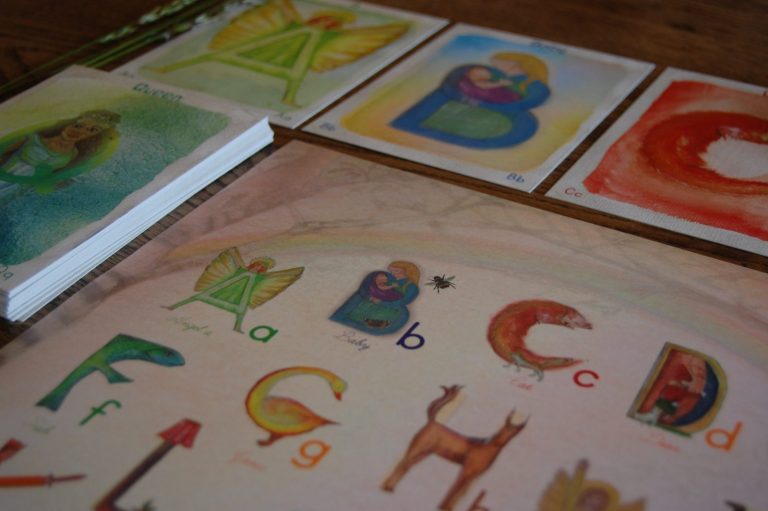
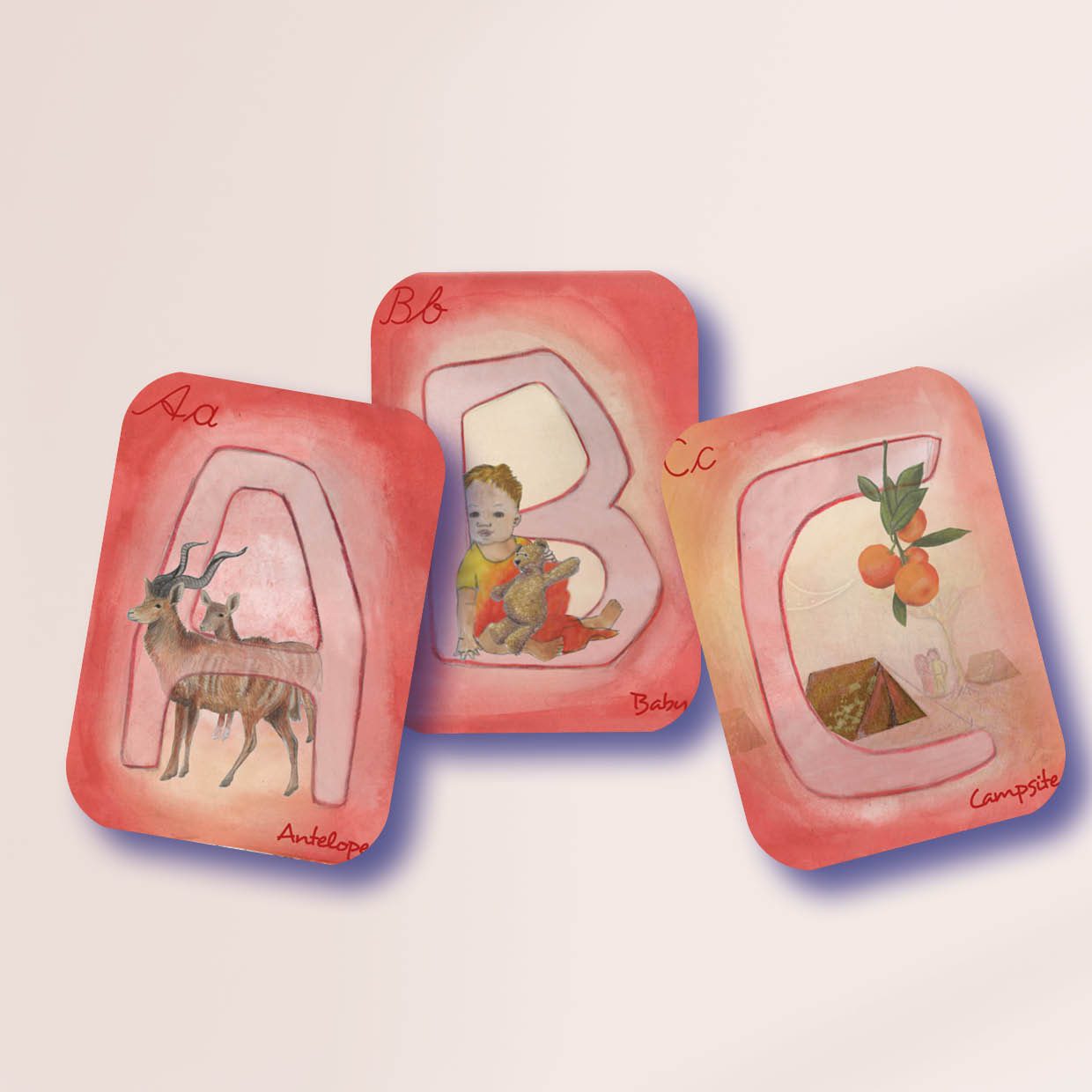
To help on your learning journey, our hand-illustrated Wilded Alphabet Cards give every letter a picture and a story, and our Free Resources include printables you can use alongside them.
Whether you home educate, choose a Waldorf-inspired path or follow the mainstream, I hope we can help your little ones become confident, happy readers and writers.
Happy learning!