Why is play important for children’s learning and development?
Play is a natural, universal impulse in childhood. It’s essential for children’s physical and emotional wellbeing, growth, learning and development. Through play, children explore the world and learn to take responsibility for their choices.
Play is so important that Article 31 of the United Nations Convention on the Rights of the Child recognises every child’s right to play.
The Steiner Waldorf perspective
In Steiner Waldorf education, some teachers describe twelve senses: those that perceive our own body (touch, life, movement and balance), those relating to the world around us (smell, taste, sight and warmth) and those of the social and knowledge world (hearing, speech, thought and the sense of another’s self).
The idea is that in the first seven years children are building the bodily senses – touch, life, movement and balance – and need to master these before moving on to more formal classroom learning.
Will, feeling and thought
The four bodily senses are governed by the child’s will. In children under seven, the will is largely driven by the impulse to “play” – though a better word might be discover. The middle senses relate to feeling, and the last four to knowledge and thought.
The Montessori perspective
Maria Montessori, whose work has influenced education worldwide, is often credited with the idea that play is the work of the child. In the early years, the Montessori and Waldorf approaches share this belief: play is essential. Play should be voluntary, enjoyable, purposeful and spontaneous, coming from the child’s own imagination and experience.
The benefits of play
Play helps children:
- build strength, coordination and balance
- develop confidence and self-esteem
- develop problem-solving, social, language and physical skills
- make sense of difficulties through imaginative play
- expand their creativity
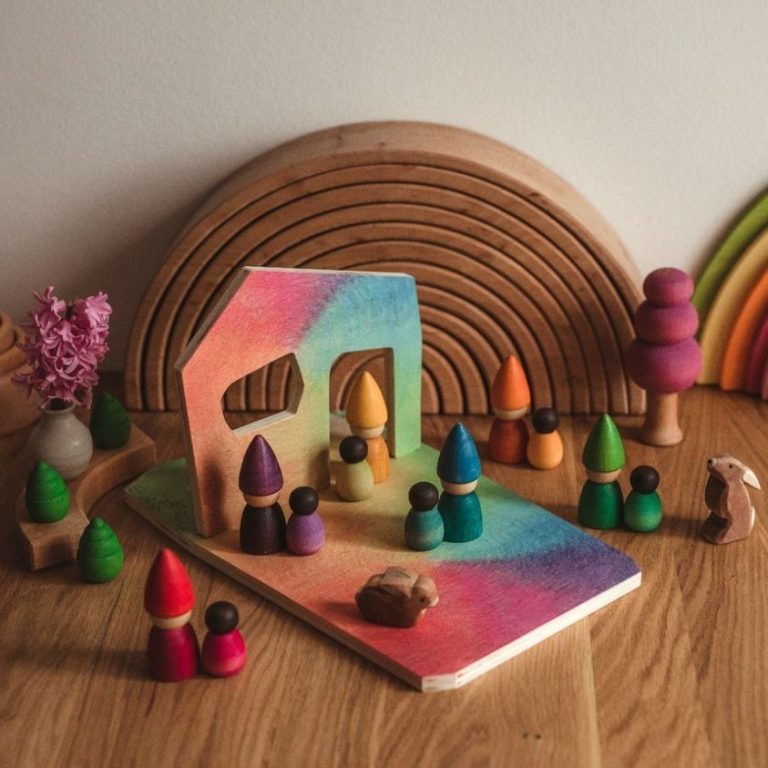
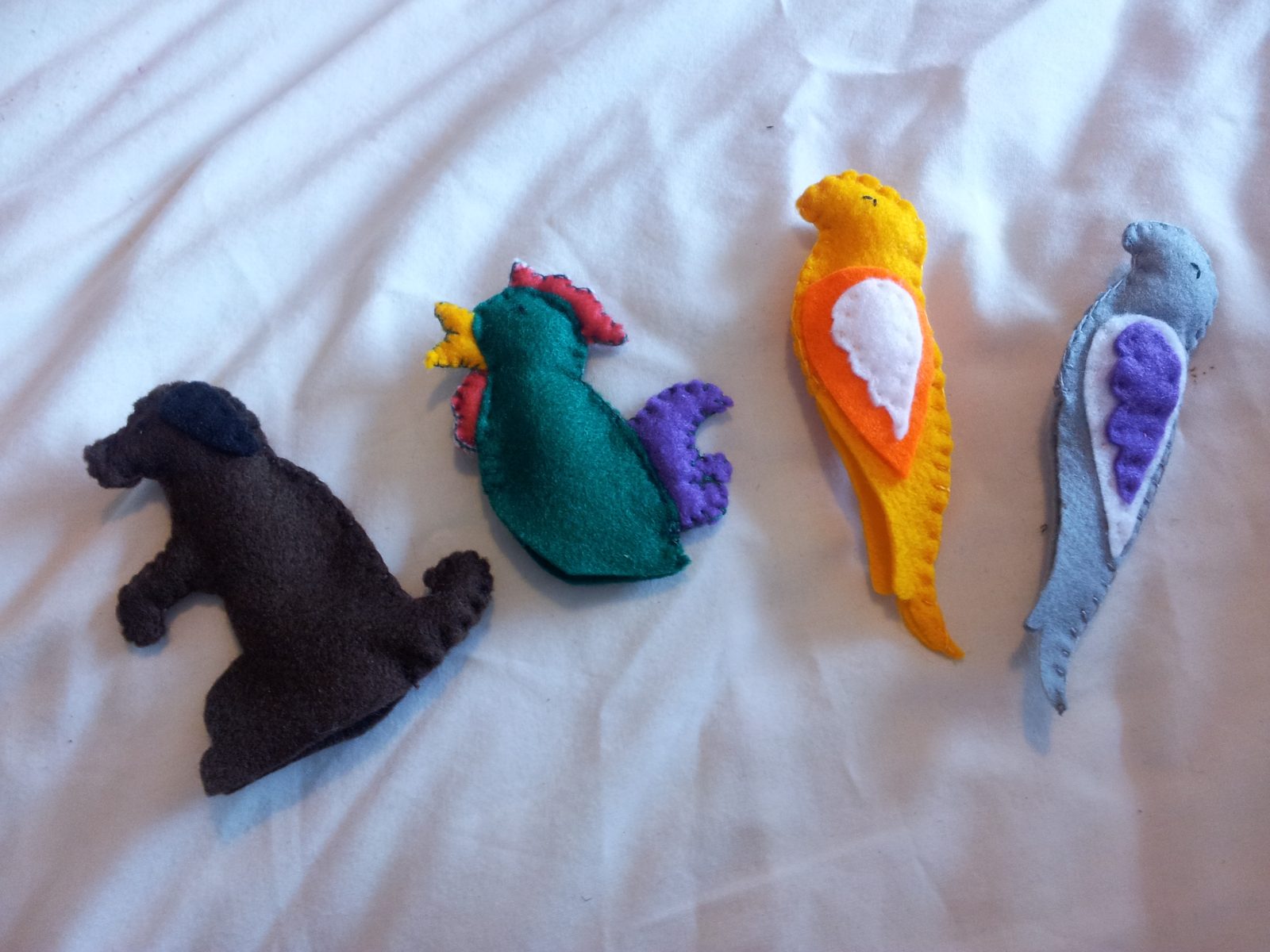
If play is the work of the child, toys are the tools
Through simple, open-ended toys, children learn to work out how things work, pick up new ideas, build muscle control and strength, use their imagination, solve problems and cooperate with others.
Steiner spoke about dolls, suggesting that a doll that does everything robs a child of the chance to imagine, while a simpler doll can become anything. We can extend this thought to modern childhood. Many games are tightly structured: you choose a character rather than invent one, choose a battle rather than invent an adventure. These are not open-ended exercises of the imagination or physical adventures that develop body and mind.
It’s important to protect play. Play matters.