How hands-on learning benefits children
Children learn from many different activities and teaching styles, and the best approach always depends on the child. But many children find that hands-on learning helps them retain information deeply.
Think about teaching a child to throw and catch a ball. You describe what to do, then show them, and finally let them try. Listening, watching and doing – with room to explore and discover for themselves. You may need to repeat the first two steps many times, but having all three is what makes it stick.
What is hands-on learning?
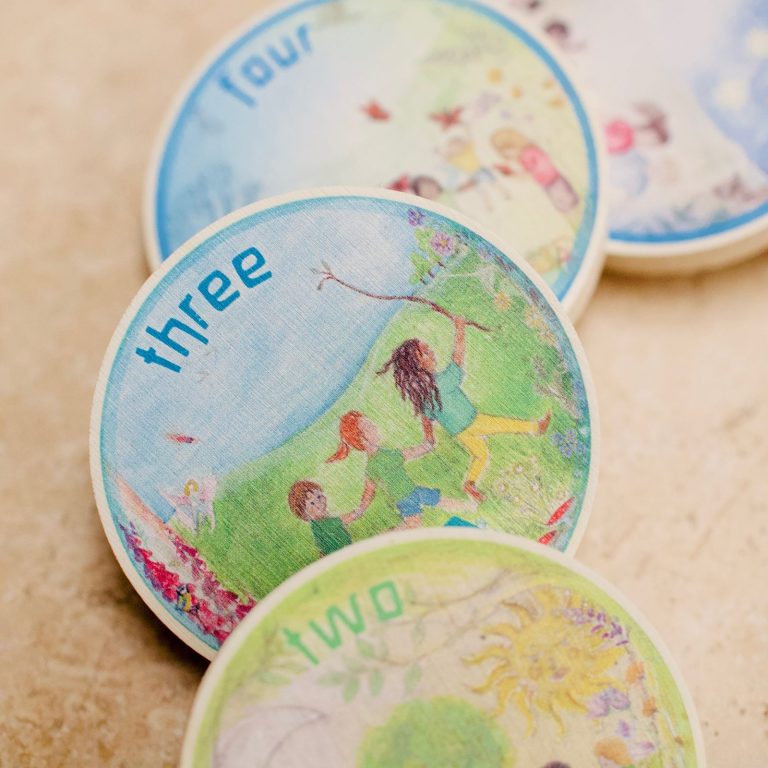
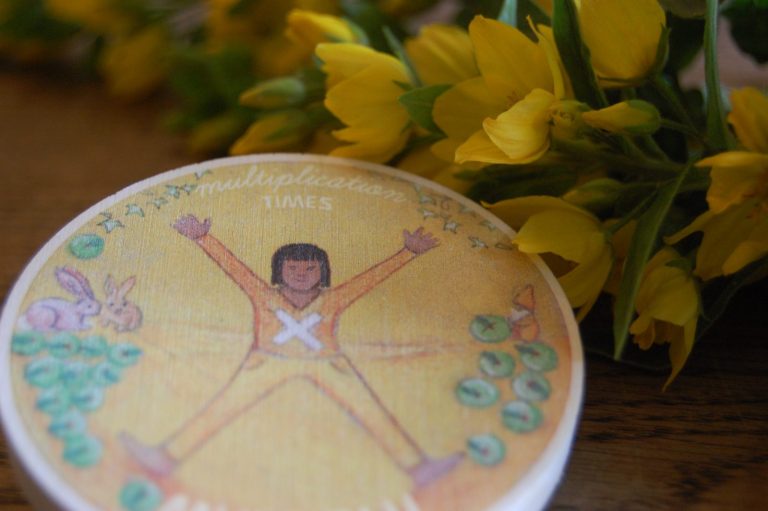
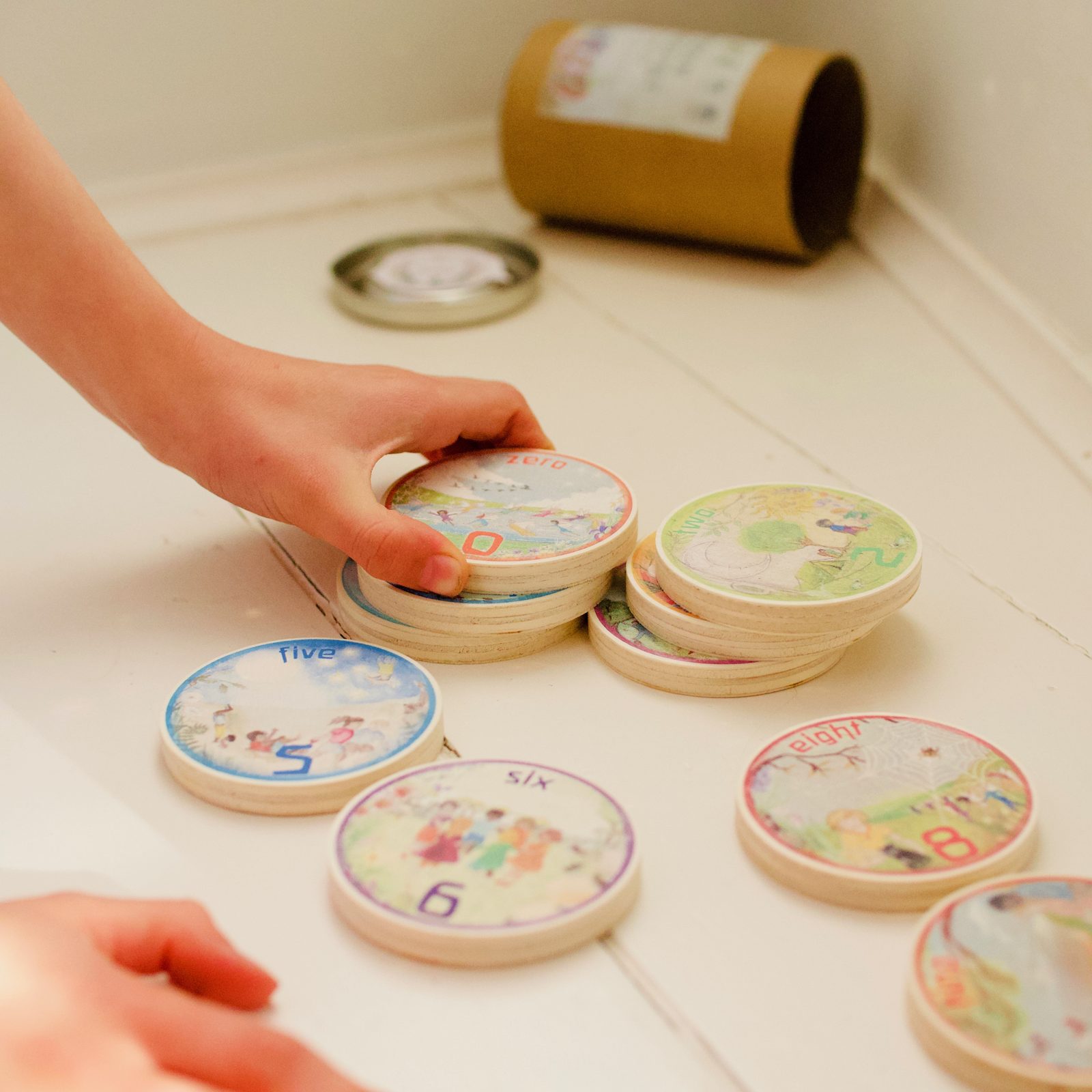
Hands-on (or tactile) learning involves touch and often movement. Rather than telling a child that a shape is a square, they hold a square and feel its corners and sides. In maths it might mean using manipulatives and number wheels; in science, experiments; and in English – certainly in the Steiner Waldorf tradition – clay modelling and form drawing.
What are the benefits?
Science, maths, PE, geography and even history can all benefit from hands-on learning. It’s also a natural way to learn: babies explore their world mainly through touch, and young children model people, landscapes and animals in clay or playdough. Hands-on learning doesn’t have to stop as children get older, but it often does. In science, carrying out the experiment is far more powerful than calculating a theoretical answer – it tests the hypothesis and makes the concept concrete.
Hands-on learning also builds fine and gross motor skills. Strengthening the hands improves muscle tone, pencil grip becomes more stable and motor skills become more refined – so a hands-on English activity benefits every other subject too. Telling a story, then inviting children to model a figure from it, enlivens the imagination and builds the hand strength that helps with handwriting.
Think about everything you do by touch alone – washing your hair, cooking a meal. These skills that feel like second nature were all built through tactile experience.
How can I help?
Bring as many hands-on experiences as possible into your child’s day:
- Let them help make dinner and knead bread.
- Model with clay or beeswax.
- Teach them to knit.
- Let them chop vegetables (with supervision).
- Garden together – soil, water, seeds and picking herbs build strength through both fine and gross motor activity, with benefits for wellbeing too.
Yes, making bread takes longer, but it makes a perfect weekend afternoon.
The bottom line
There are dozens of ways hands-on activities help children improve their learning and life skills. Many children simply retain information better through touch, movement and making.