How hands-on learning benefits children
Children learn from many different activities and teaching styles, and the best approach always depends on the child. But many children find that hands-on learning helps them retain information deeply.
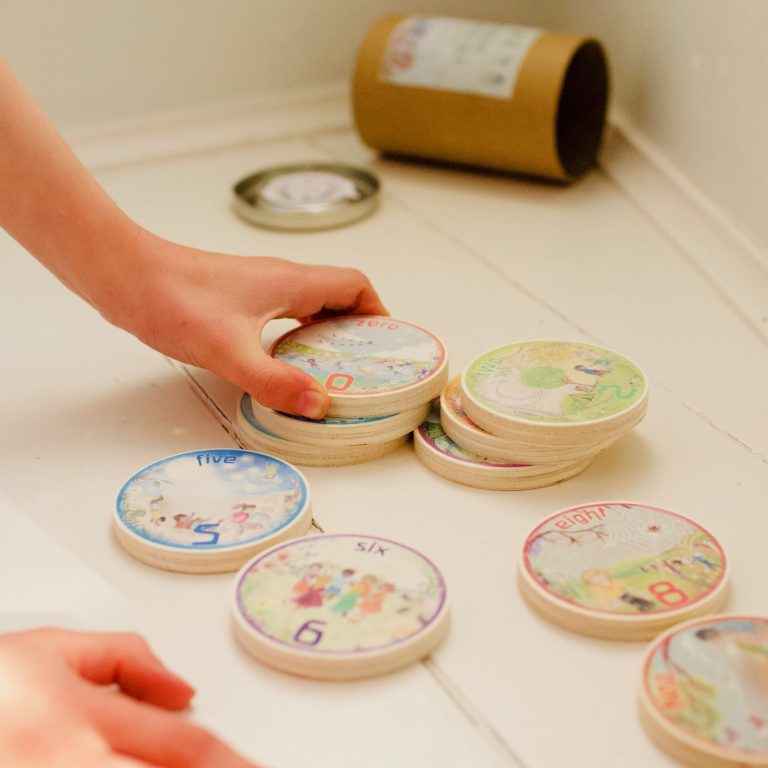
Children learn from many different activities and teaching styles, and the best approach always depends on the child. But many children find that hands-on learning helps them retain information deeply.
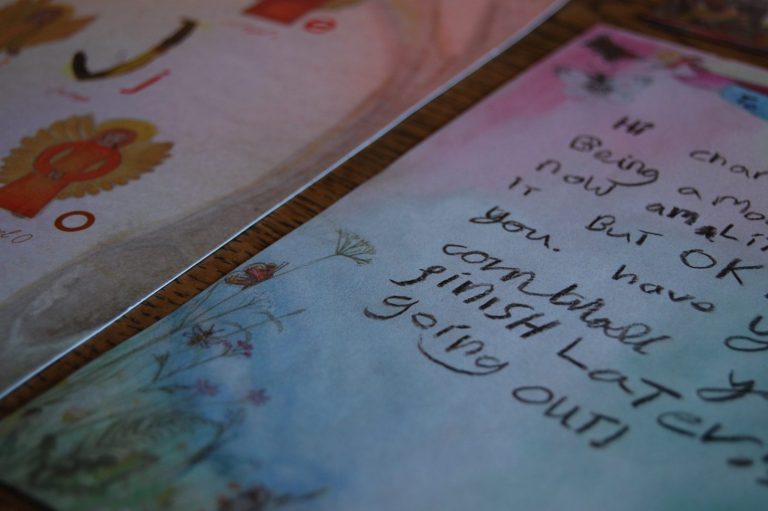
We still see the written word in art and signage, but our handwriting is slowly fading. Yet there’s something special about it. A handwritten letter takes time – it can’t be typed and filed away. It asks the reader to pause, and to hold som

Children learn a lot through observation, and the best way to show them where food comes from is to grow some together. The garden doesn’t have to be large – a couple of containers on a balcony or windowsill is a great way to start.
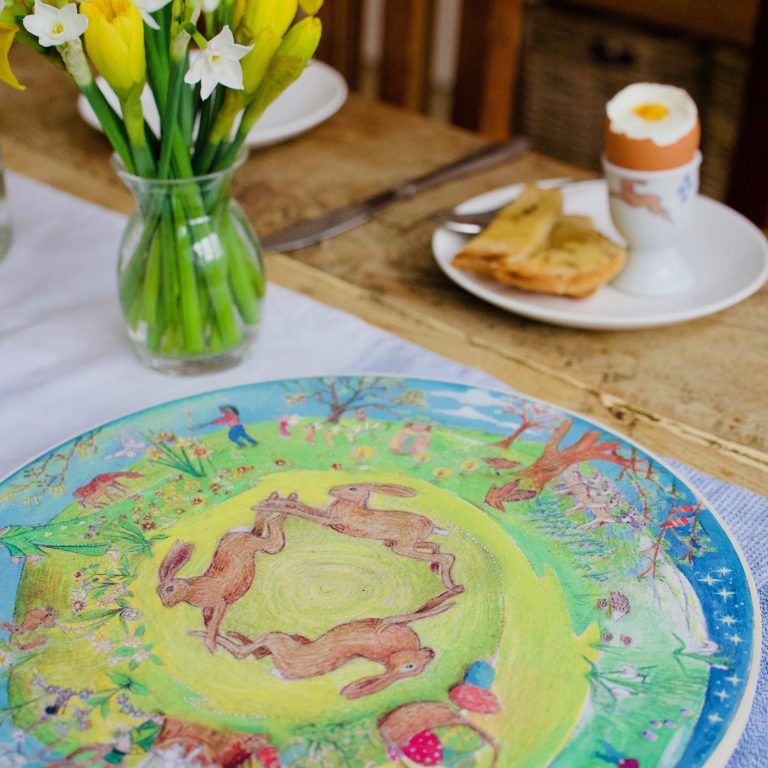
In the Northern Hemisphere, spring coincides with Easter. As the earth is renewed and brought back to life from winter’s cold, we also celebrate the returning light as the days grow longer.
When I had children, I was reduced to my core – stripped back and unplugged. So I set out with a new focus on what was important for me and our family.
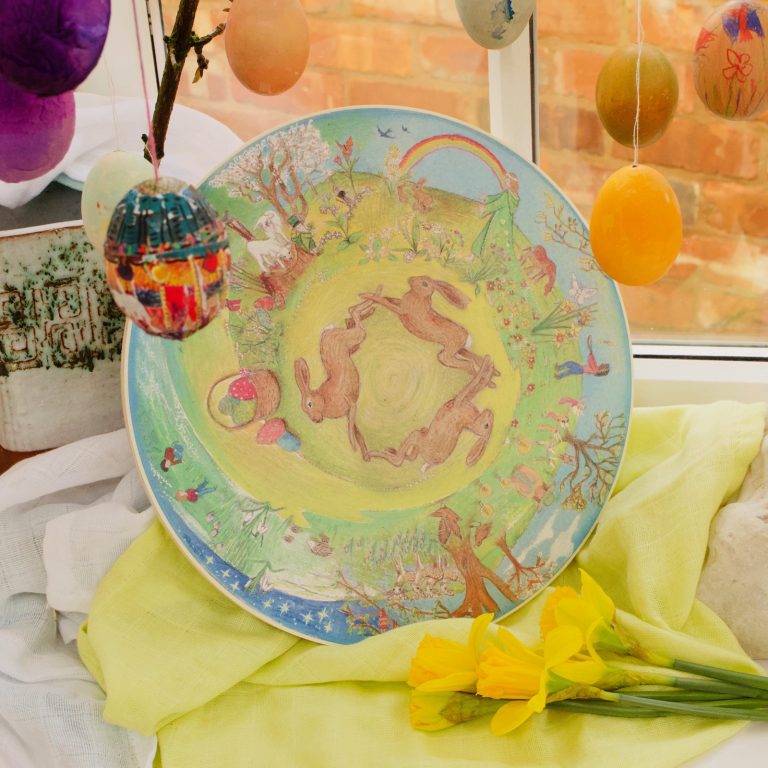
In our family we celebrate a number of seasonal festivals, from well-known ones like Easter and Christmas to lesser-known ones like Candlemas, St John’s Tide and Michaelmas.
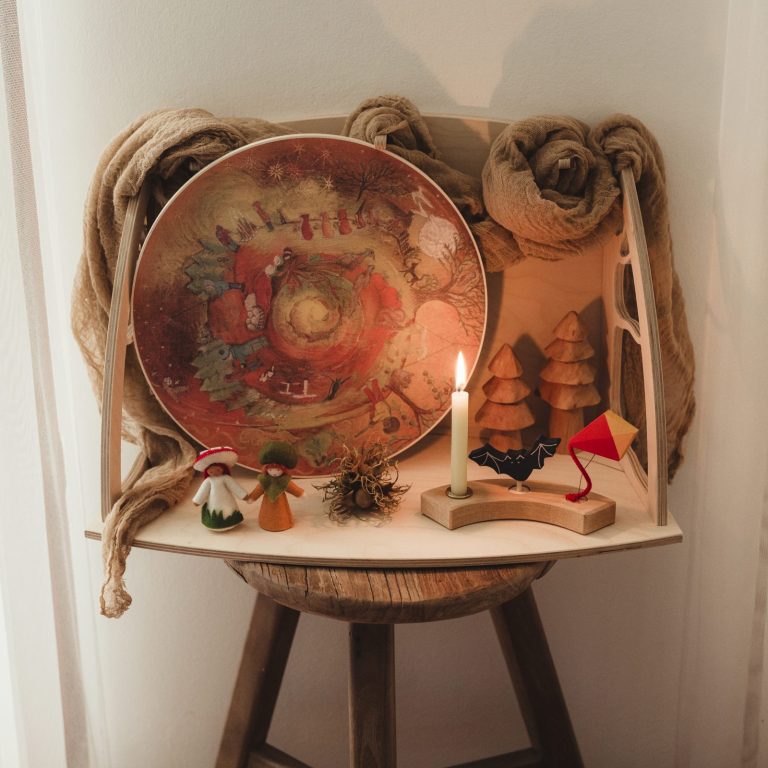
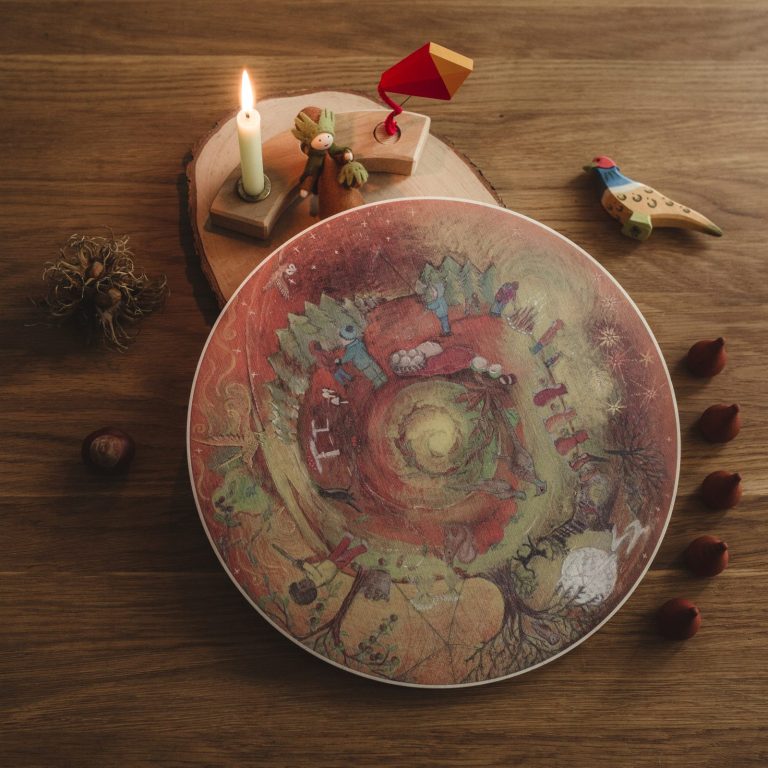
As parents, we want to give our children the best, and part of that is access to nature. Here are some ideas for bringing nature into your home and life through the seasons.
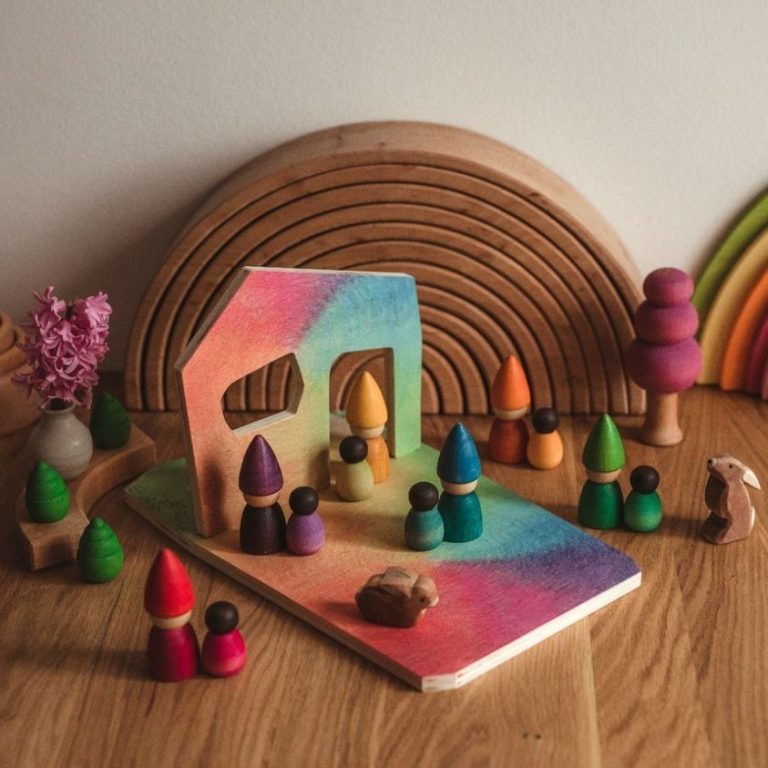
In the modern world it’s all too easy to forget nature. It’s easy to have something else to do, to overlook the delicate transformation taking place in the natural world around us – and even easier to drown in stuff, clutter and our own bus

Birthdays in Waldorf-inspired families are truly magical days. I wanted to share how our birthdays look, in case some of these traditions speak to you.
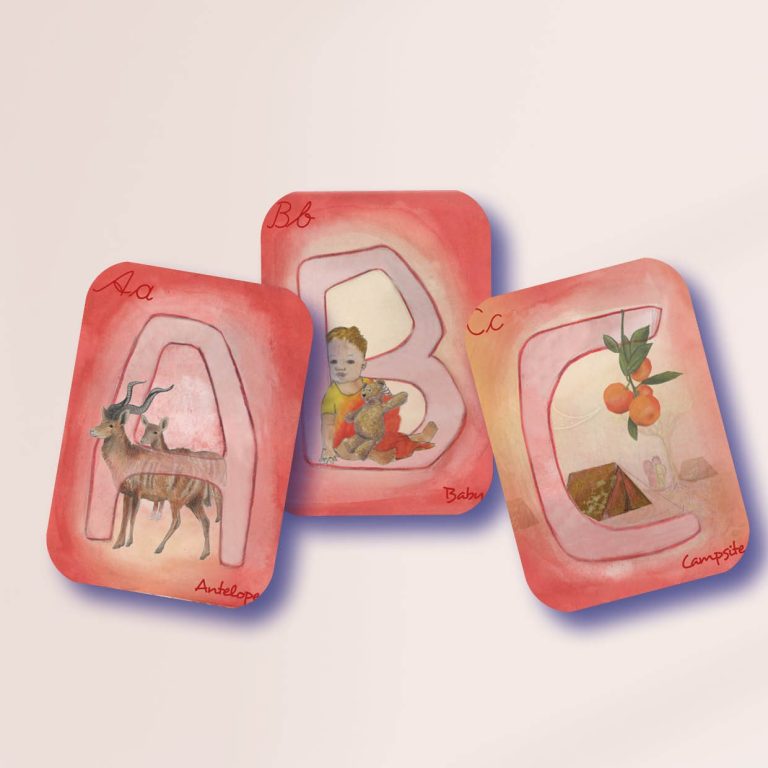
Phonics is a method of teaching children the sounds letters make and how to blend them into words. It’s the approach used for Key Stage One English in the UK, and schools following the National Curriculum teach phonics to help children read
No products in the cart.