A family guide to the phases of the moon
Does that silvery coin in the night sky call to you each month? For thousands of years, humans have looked at the moon in wonder. Scientists think the moon formed from debris thrown out when a young Earth collided with another planet-sized body – so in a sense, the moon and Earth were once one. We understand a lot about the moon scientifically, but how can we live alongside its rhythm?
Nature is full of rhythms to follow. I’ve found that working with the “breathing in and out” of the moon’s phases helps me move projects and relationships forward. Here’s my guide to the phases, for parents, for children and for relationships.
What is a moon cycle?
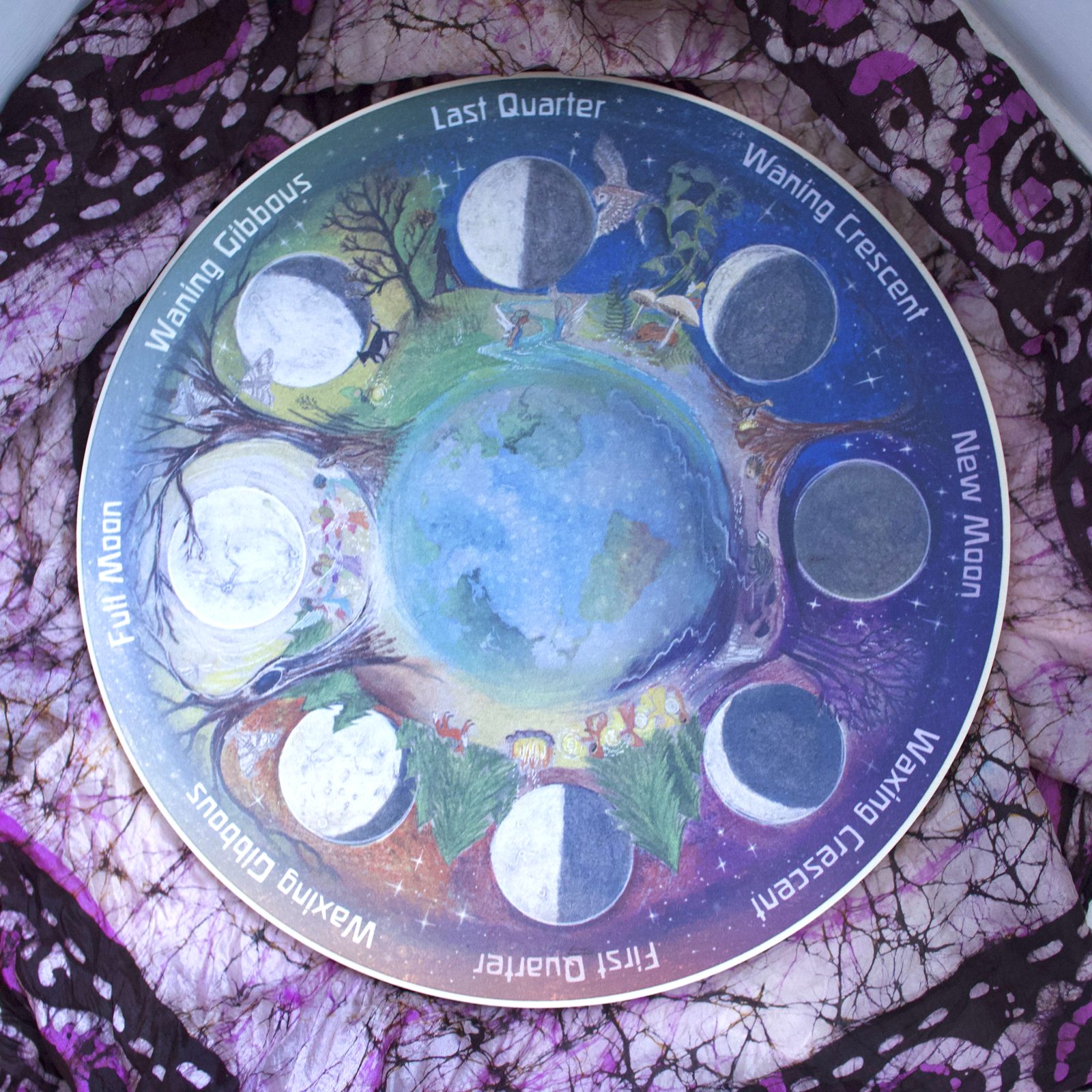
The moon goes through eight phases in a lunar cycle of about 29.5 days. The four major phases are new moon, first quarter, full moon and last quarter, and between them are the waxing crescent, waxing gibbous, waning gibbous and waning crescent. The moon orbits Earth in about 27.3 days, but because Earth is also moving around the Sun, it takes about 29.5 days to go from one new moon to the next. The moon’s light is sunlight reflected from its surface.
The eight phases
- New moon: the sky looks empty.
- Waxing crescent: a small crescent appears.
- First quarter: half the moon is lit.
- Waxing gibbous: the moon is getting fuller.
- Full moon: the whole face is lit.
- Waning gibbous: the lit part begins to shrink.
- Last quarter: half the moon is lit again, on the other side.
- Waning crescent: just a sliver of light remains.
Why follow the moon?
The moon’s gravity drives our tides, and in folklore it has long been linked with moods, cycles and magic. Whatever you believe, watching the moon grow, become full and disappear each month is an inspiring rhythm. Success often comes from planting tiny seeds, nurturing them, letting go of mistakes, harvesting and planting again – and the moon is a beautiful reminder of that.
New moon
The start of the cycle, sometimes called the dark moon. Like a seed planted in the garden, it’s a time to reflect and set new intentions.
- For parents: make space to dream, brainstorm and plan.
- For children: a great time to start something new – a project, a skill or a habit.
- For relationships: get clear on what you’d like to grow together.
Waxing crescent
Time to get to work: the intentions you set can become plans and actions.
First quarter
The moon is expanding. Just as a seedling grows, this is the time to tend your plans and take action.
- For parents: push forward, but make sure you’re getting enough rest and nourishment.
- For children: help them with their projects so they can reach their goals.
- For relationships: make time together to dig into ideas and plans.
Waxing gibbous
Be patient and keep going. If setbacks happen, refine the plan and carry on.
Full moon
The moon is at its brightest, and the work you’ve put in comes to fruition. It’s often a vibrant, creative time.
- For parents: take time for yourself and enjoy what you’ve achieved.
- For children: celebrate their efforts and let them relax.
- For relationships: enjoy each other and acknowledge each other’s successes.
Waning gibbous
The moon’s glow begins to fade. A time to gather feedback, reflect and let go of what isn’t working.
- For parents: let go of unhelpful habits and thought patterns.
- For children: help them notice what’s holding them back.
- For relationships: invite friends and family round and enjoy their perspectives.
Last quarter
Half lit again, but shrinking. Time to evaluate and decide where you’d like to go next.
- For parents: focus on what you’d like to achieve next.
- For children: talk about what they’d like to improve or try next.
- For relationships: think about your next step together.
Waning crescent
The moon is almost gone – a time to rest and prepare for the next cycle.
- For parents: plan for the month ahead and clear your space for creative thinking.
- For children: tidy their space and get ready for the next adventure.
- For relationships: prepare together for the next cycle.
Whether you’re a devoted moon-lover or new to the idea, the moon is a wonderful companion through the year. Learn the phases together with our Moon Workbook.