
Spring gardening tips with children
Children learn a lot through observation, and the best way to show them where food comes from is to grow some together. The garden doesn’t have to be large – a couple of containers on a balcony or windowsill is a great way to start.
Gardening with children is also a lovely way to spend time together and get fresh air and exercise.
The great outdoors
Children thrive outdoors, and after a winter cooped up inside, a spring garden is all the motivation they need to get out of the door. Digging in the soil and watering plants never gets old.
When the plants begin to flower and fruit, make a measuring game: use a tape measure and notebook to record the size of the vegetables, the height of the plants and anything else you notice.
Community gardens and allotments
If you don’t have outdoor space, look for a local community garden or allotment. Plots can often be shared or rented for a small fee, and it’s a great way to get outdoors, meet people and grow fresh food. Experienced growers are usually happy to share advice.
Make it fun
- Plant fast growers. Radishes can be ready in around four weeks, and sunflowers seem to grow faster than the children over the summer.
- Grow favourites to graze on. A cherry tomato, sugar snap pea or strawberry eaten straight from the plant is the best snack.
- Welcome wildlife. Ladybirds eat aphids and earthworms improve the soil, so look for them together and talk about the job they do.
- Plant for pollinators. Flowers that attract bees and butterflies double the enjoyment and are a perfect way to talk about pollination.
Spring changes
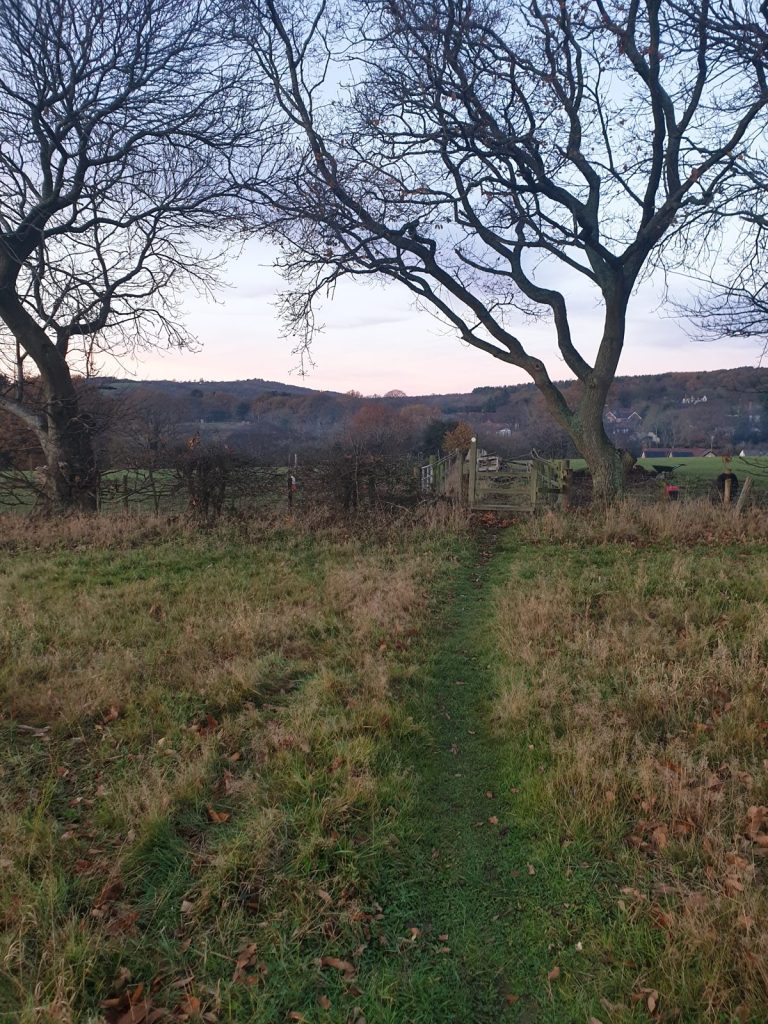
At the first sign of warm weather, the landscape changes quickly: buds appear on the trees, grass starts growing and weeds pop up in the beds. Pulling weeds, picking up twigs, clearing the garden and planting bulbs feel like playtime to children.
Some plants we call weeds are edible, like dandelions. Foraging safely – only picking what you can identify with confidence – is another lovely way to learn together outdoors.
It’s good for parents too
Time with your children, exercise, learning about plants and growing your own food: a home garden gives you all of these. And children who help plant, grow, harvest and eat their own food develop a real connection to where it comes from.