Meet the maker: Stephanie Green on how Wilded Family began
Stephanie Green is the artist and founder behind Wilded Family. We asked her about how it all began and what drives her work.
How did Wilded Family begin?
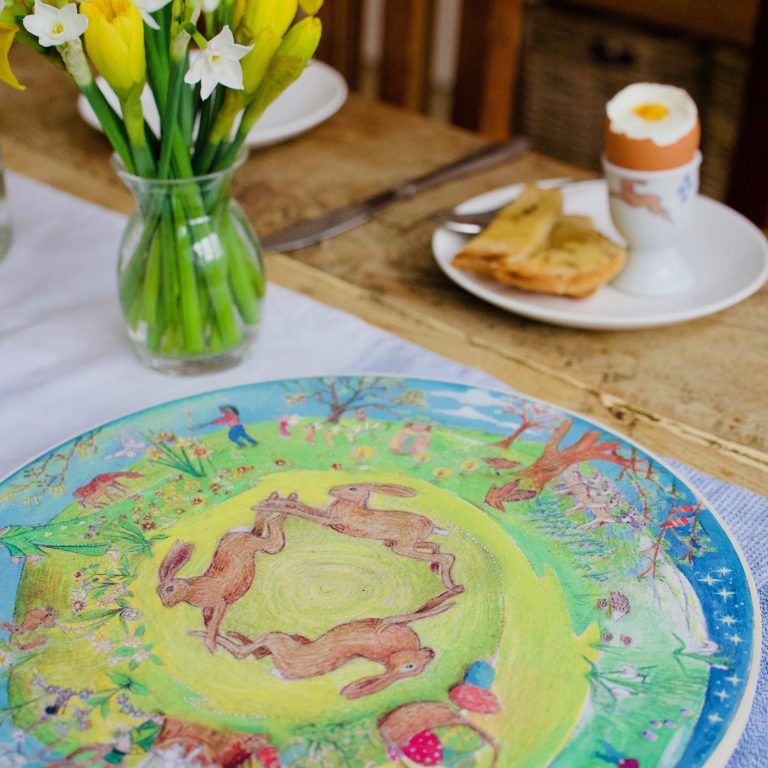
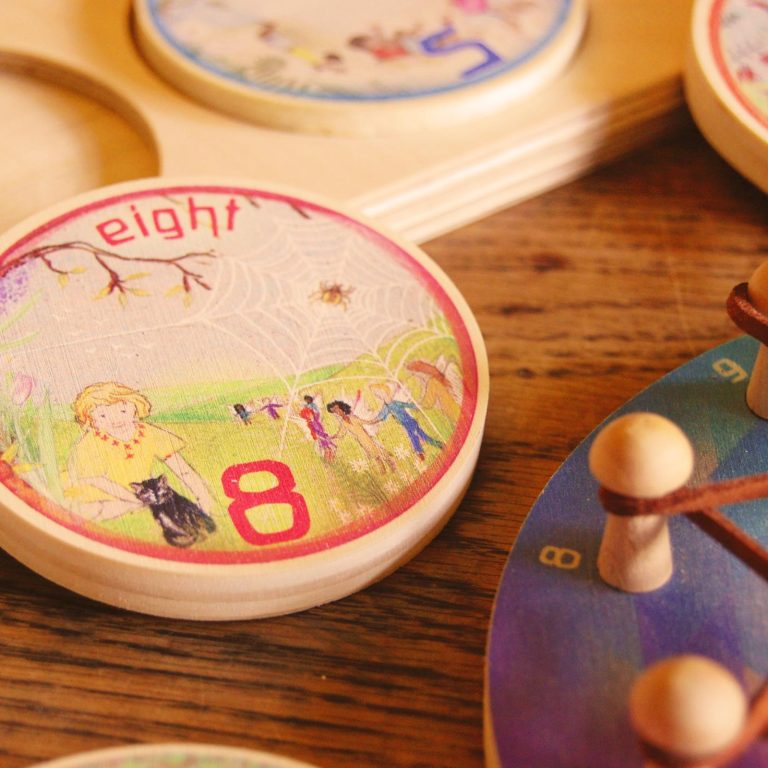
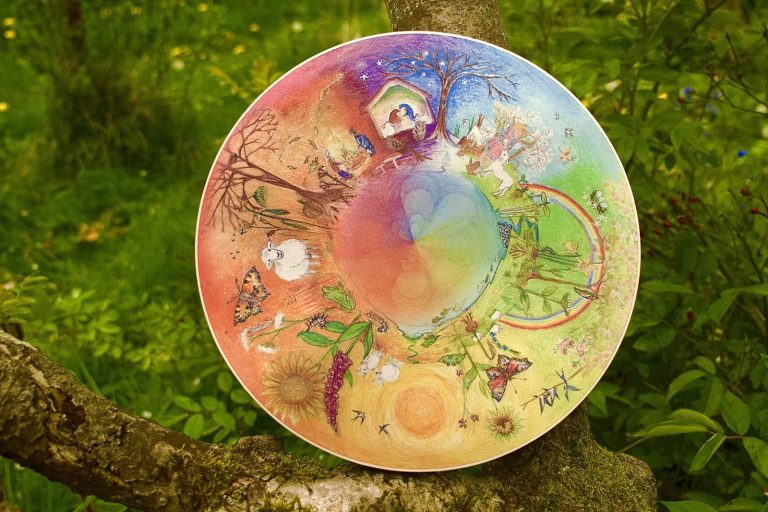
I started the business (then called Waldorf Family) when my own daughters were small. It began with a painting to help guide them through the year, reflecting the festivals and colours we found and celebrated as the seasons turned. As they grew, so did the things I made – to help them with maths and English, and then right across the primary years. I’ve made workbooks to help with anything they struggled with, and artwork to delight them and fill our home.
Did you always believe in alternative learning?
The most important thing for us as the children grew was helping them work out who they were and what would make them happy. We read about all the approaches – the International Baccalaureate, Montessori, Reggio Emilia, Steiner Waldorf and the National Curriculum. My mum was involved in developing the IB Middle Years Programme, so I grew up surrounded by the idea of being a global citizen and a lifelong learner. That’s what really drives me to make learning resources for children: how can I play my part in making the world a better place?
Why sustainable resources?
I don’t think anything made for children should hurt the planet. If you educate children with something destined for landfill, it feels like one step forward and two steps back – like taking their future out of their hands.
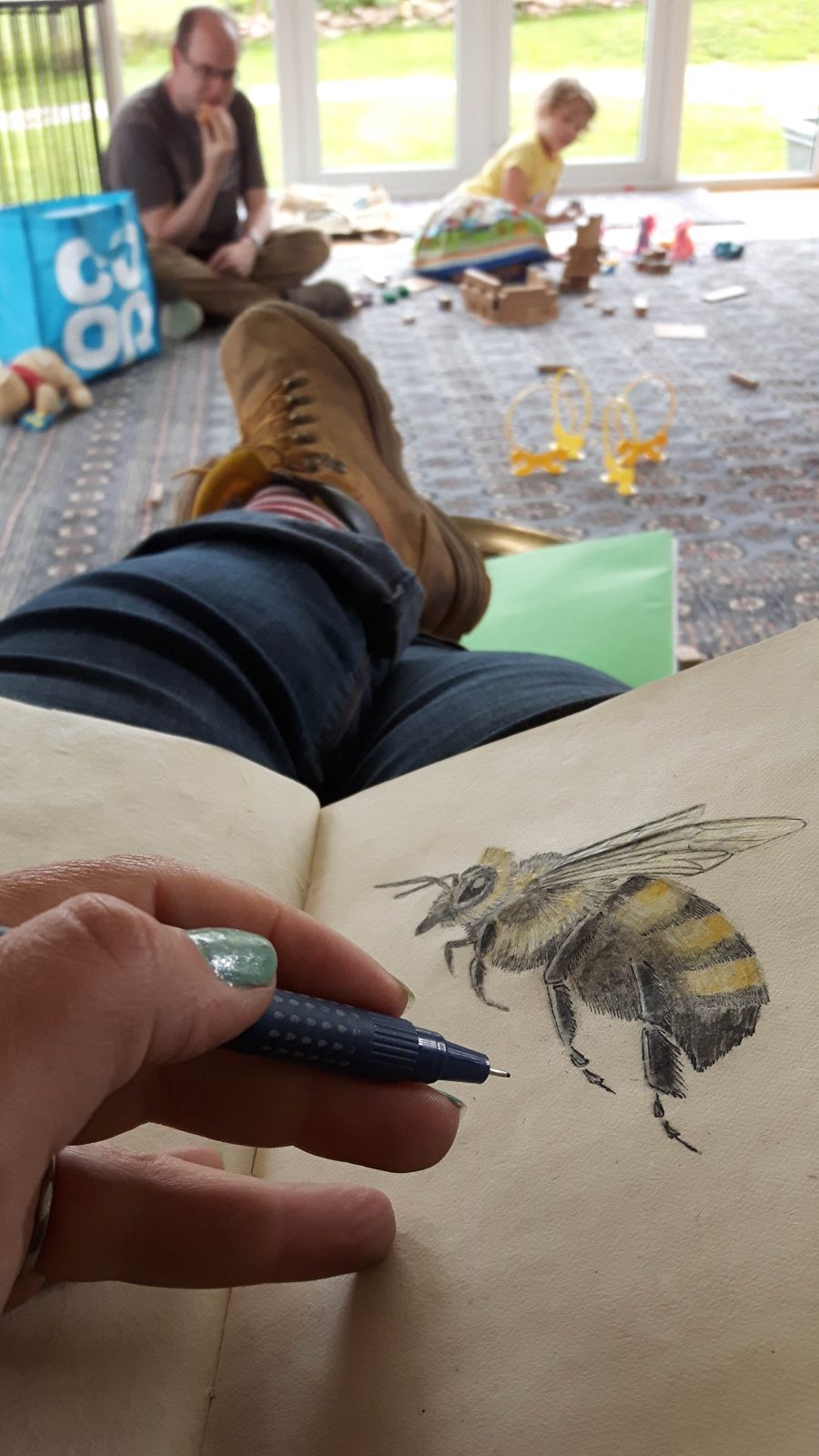
Everything I’ve done, even as a child, has been about protecting the planet. I’ve always drawn and painted, so bringing those two parts of my life together felt like a natural partnership. I could see my own children thriving in the Waldorf community and wished I could share that with more people. After a lot of hard work, I created a collection of resources for everyone, and as soon as we started sharing them, people fell in love with them. Our online community has grown to over 10,000 people, which shows me how many families are hungry for these tools and the message that there’s another way.
How has this way of learning shaped your family life?
The biggest impact is that we found our tribe. I’ve always been on the fringes, and that can feel isolating – my priorities and lifestyle felt different. In the Waldorf community we found a global tribe who value the same things we do: connection with the earth, making things with our hands and raising happy, free-thinking children. A gentle rhythm sits at the heart of my family, creating space to make together, be creative, reflect and take things slowly.
How do your resources support learning?
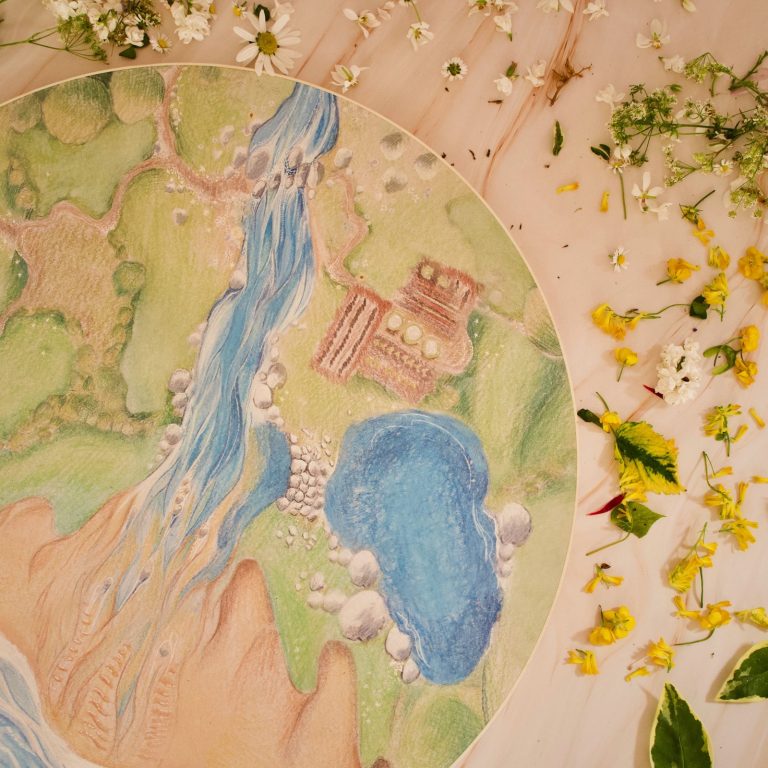
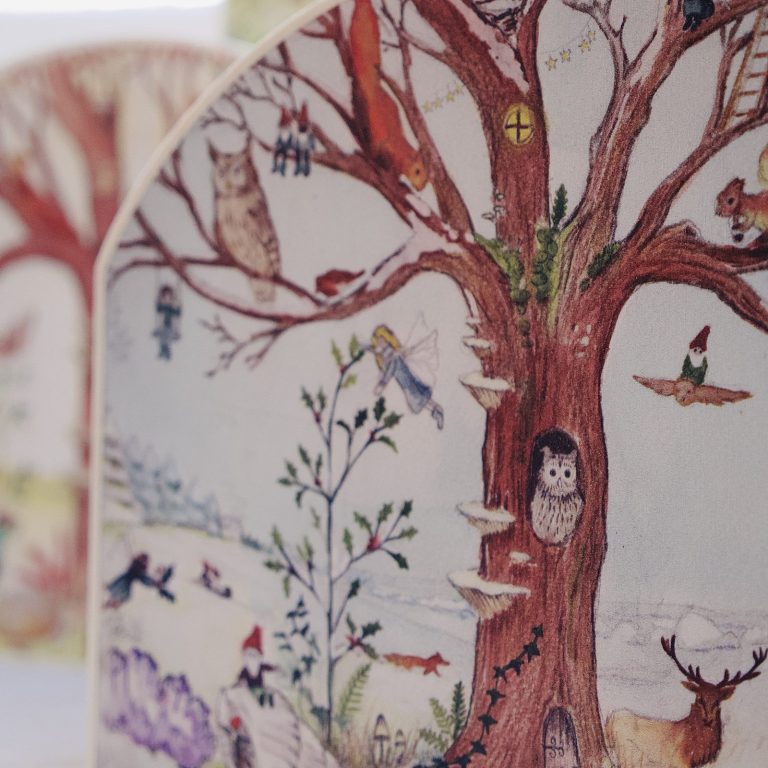
Everything I make starts with art and colour. I think the full spectrum of colour feeds our souls and brings us joy. We see the rainbow differently from other creatures – bees, for example, see ultraviolet we can’t, so the world must be a riot of colour for them. So we start with colour and soul, then think about how hands and bodies can be involved. It seems odd that schools expect children to learn sitting at desks when we learn so effectively by moving, making and playing.
Next, we think about how many ways a resource can be used and how it can grow with the children. I know what a big deal it is to spend money on learning tools, so I want ours to last. Finally, we leave space to dream into the subject – creating wonder and room for children to lead their own experience.
Why is an alternative approach often the right one?
Everyone’s journey is different. Between them, our children have been home educated, Waldorf schooled and mainstream educated. Being open-minded and seeing each child as their own person is what matters most.
I think mainstream schooling is often led by testing and data rather than human fulfilment. I agree with Steiner that to evolve society we must educate children freely – to be capable of thinking their own thoughts, drawn from their deepest, most original selves. If we can help a generation become truly free, they can create a better society for everyone. That’s what I want to play my part in.