
Play is the work of childhood
Play is essential for children. Through play they develop fine and gross motor skills, language, social skills, self-awareness, emotional wellbeing, creativity, problem-solving and the ability to learn.
The importance of play in child development
Every stage of child development relies heavily on play. Maria Montessori is often credited with the idea that play is the work of the child. Learning through play is probably the most important way any child learns.
Types of play
Children play in many ways, with others or alone, and we don’t always recognise it as play.
Dramatic play. One of the best ways for children to learn is through pretending. Children act out what they see the adults around them doing, or pretend to be someone they love. Try not to interrupt with corrections unless something is hurtful to others.
Games. Races, catch or guided role play help children understand rules, roles and expectations. Through games guided by an adult, children can ask questions, test limits and learn about boundaries.
Sensory play. Done in a group or alone, sensory play helps children understand sound, touch and even taste. Babies do this naturally as they explore objects with their hands and mouths.
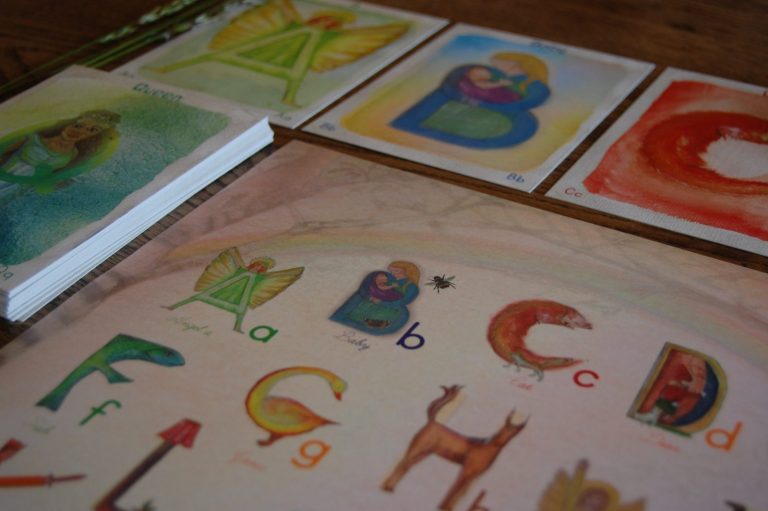
Reading. Reading with voices, questions and curiosity teaches far more than vocabulary. Children learn about culture, families and feelings – and, through voices and emotions, about how people interact.
Encouraging play
Having a variety of simple toys and materials to hand helps children explore independently. Don’t pressure them to play “for learning”, but talk with them naturally while they play. If they’re playing shops, ask what they’d like to buy, who they’re cooking for and what they need for dinner. Join in with reading and games too.
Final thoughts
Play is one of the most essential parts of learning young children ever experience. You can support them by letting them explore words, activities and ideas in their own way.